Understanding common rail fuel systems
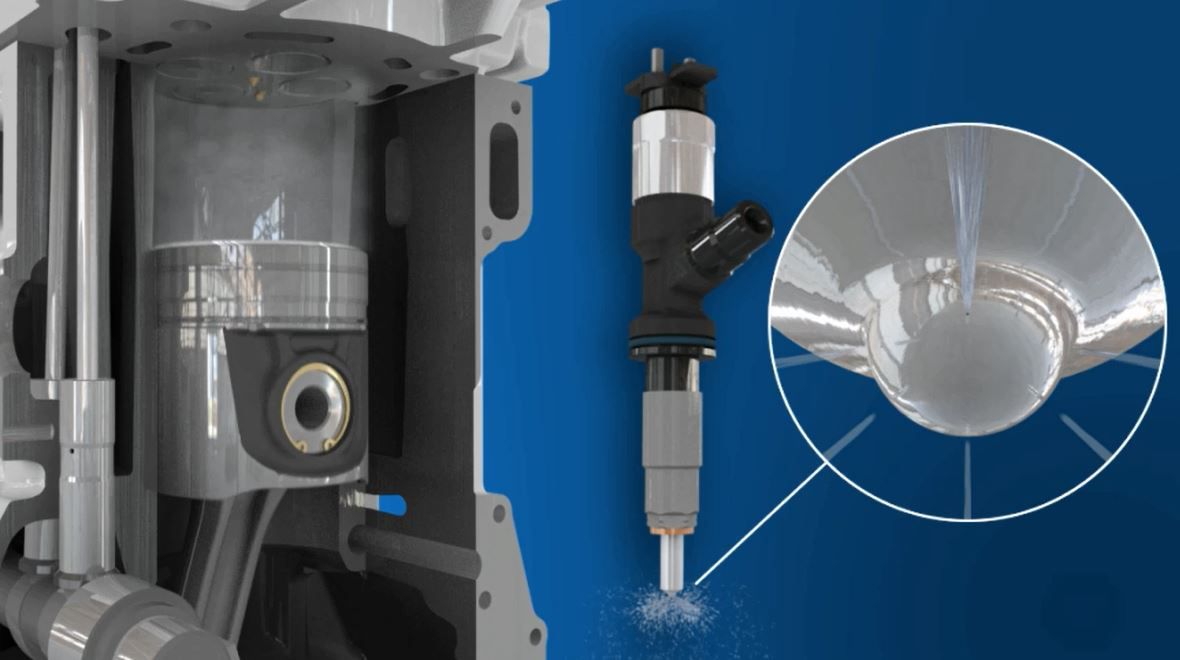
Reducing particulates and optimising fuel consumption are primary reasons for adding high pressure common rail (HPCR) systems to an engine. The HPCR is used in diesel engines across our range, providing improved fuel efficiency through a more efficient combustion process.
What do HPCR fuel systems do?
Fuel is distributed to the fuel injectors from a high pressure accumulator, called the rail, which isfed by a high pressure fuel pump. Rail pressure and injection timing are electronically controlled.
HPCR fuel systems can provide a cleaner and more fuel efficient combustion process with improved performance, fuel efficiency and particulate matter reduction.
What are the strengths of HPCR fuel systems?
HPCR fuel systems improve engine performance through more efficient combustion and can be more fuel efficient than other systems.
Due to stable pilot injections, your engine will be quieter and produce fewer nitrogen oxides(NOx), reducing the aftertreatment requirements to meet various global emission standards.
Fast facts
A high pressure common rail:
- Is a very common fuel system at Stage IV/Tier 4 Final
- Optimises fuel consumption and reduces particulate emissions
-
Diesel Exhaust Fluid (DEF)
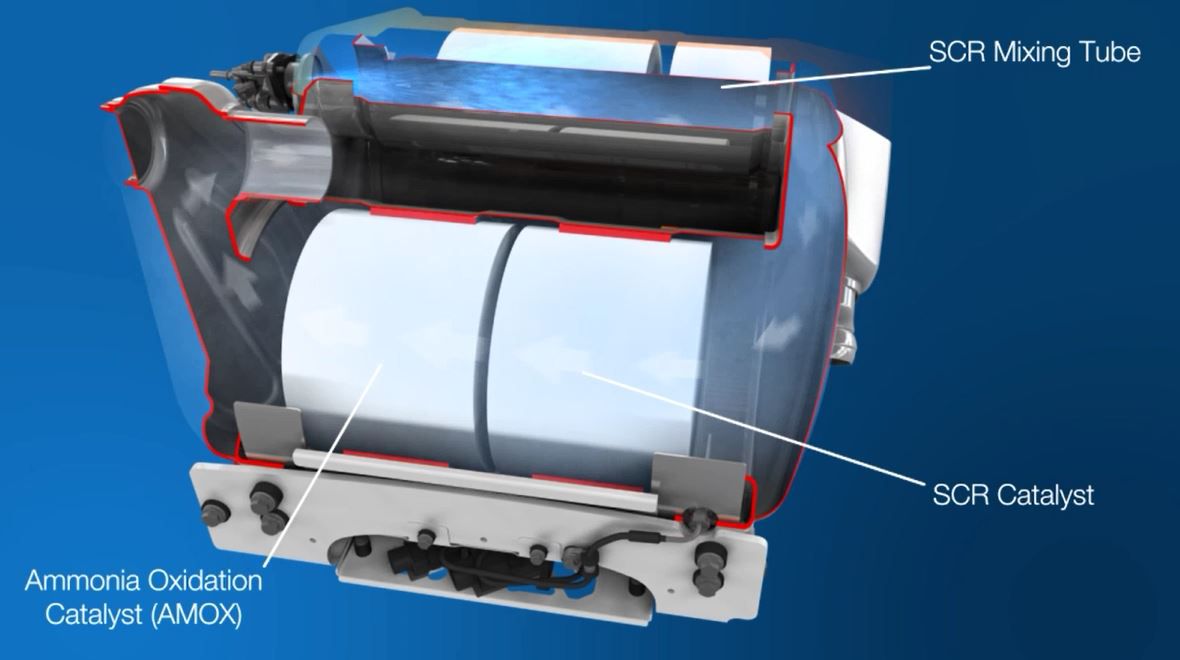
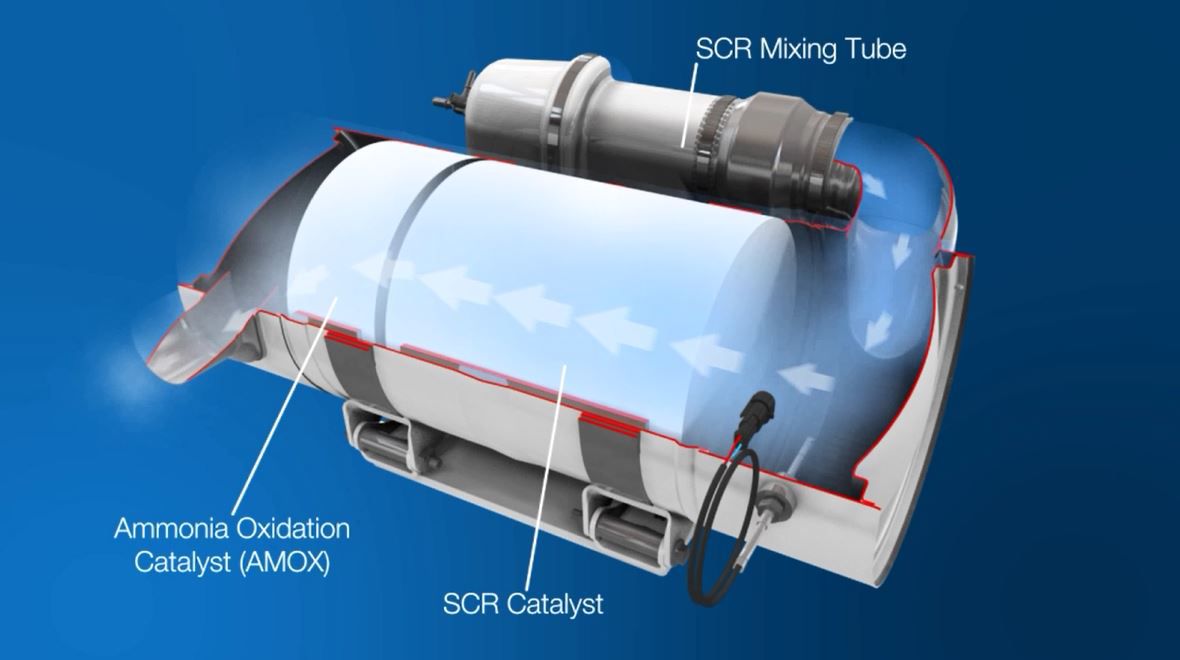
If you’re using a selective catalytic reduction (SCR) system you need diesel exhaust fluid (DEF) for the system to work.
Learn More -
Diesel Oxidation Catalyst (DOC)
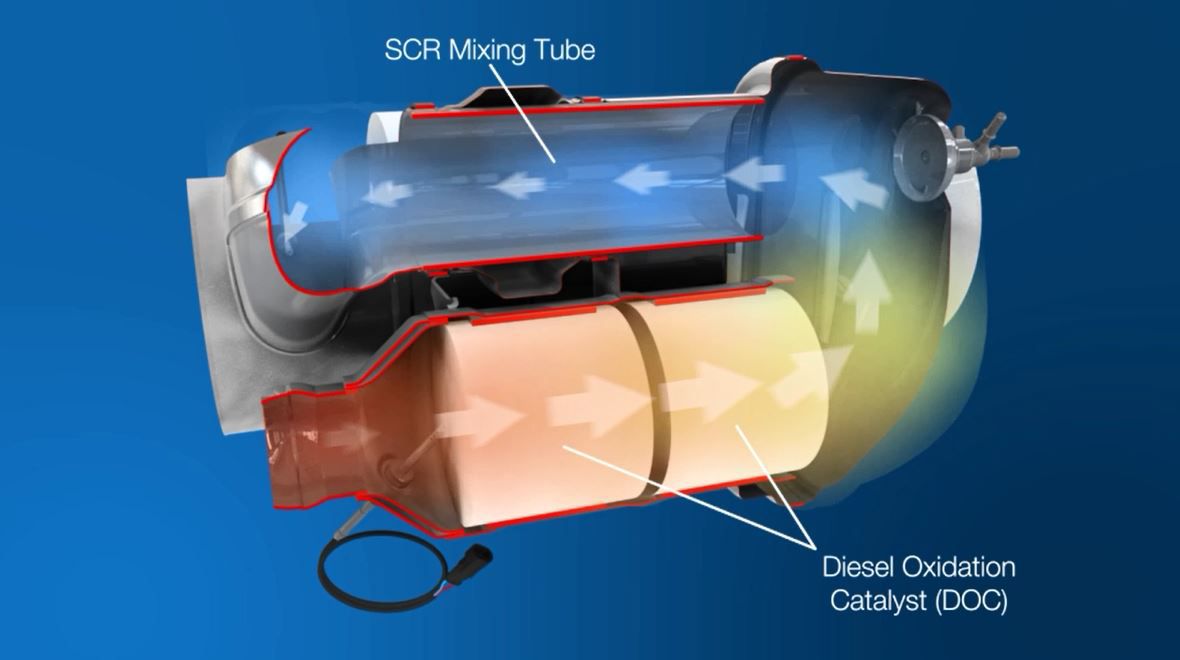
A diesel oxidation catalyst (DOC) is an aftertreatment component that is designed to convert carbon monoxide into carbon dioxide and water.
Learn More -
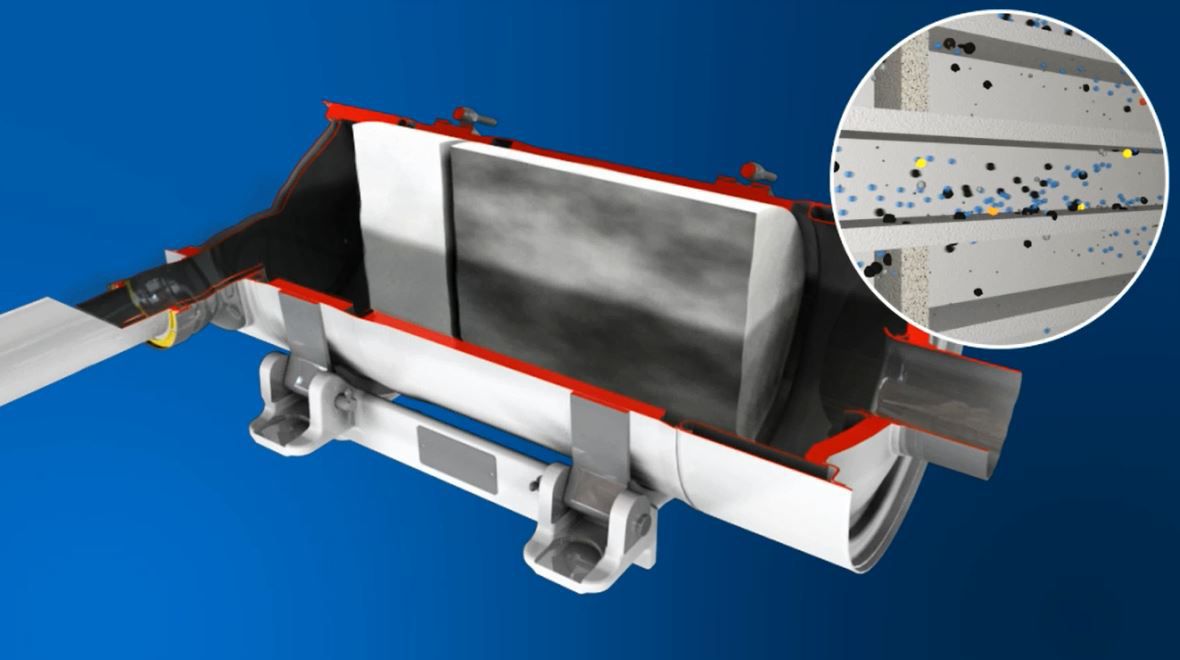
How a Diesel Particulate Filter (DPF) works
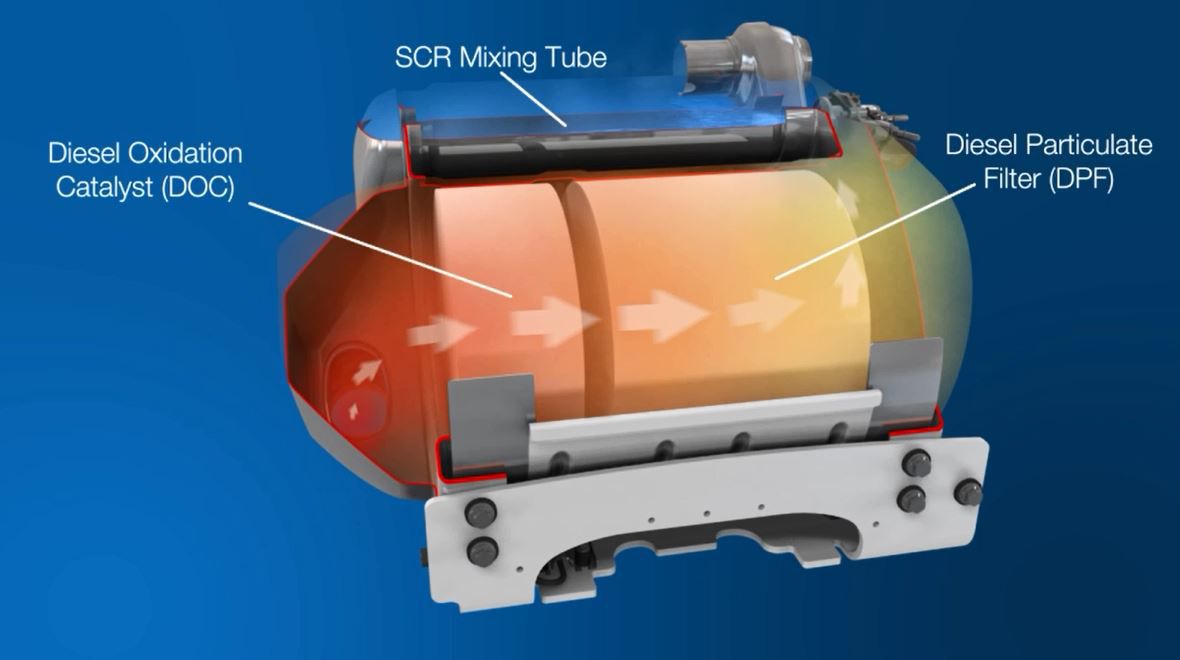
Our diesel particulate filter (DPF) solutions capture a high percentage of particulate matter or soot.
Learn More -
How series turbos work
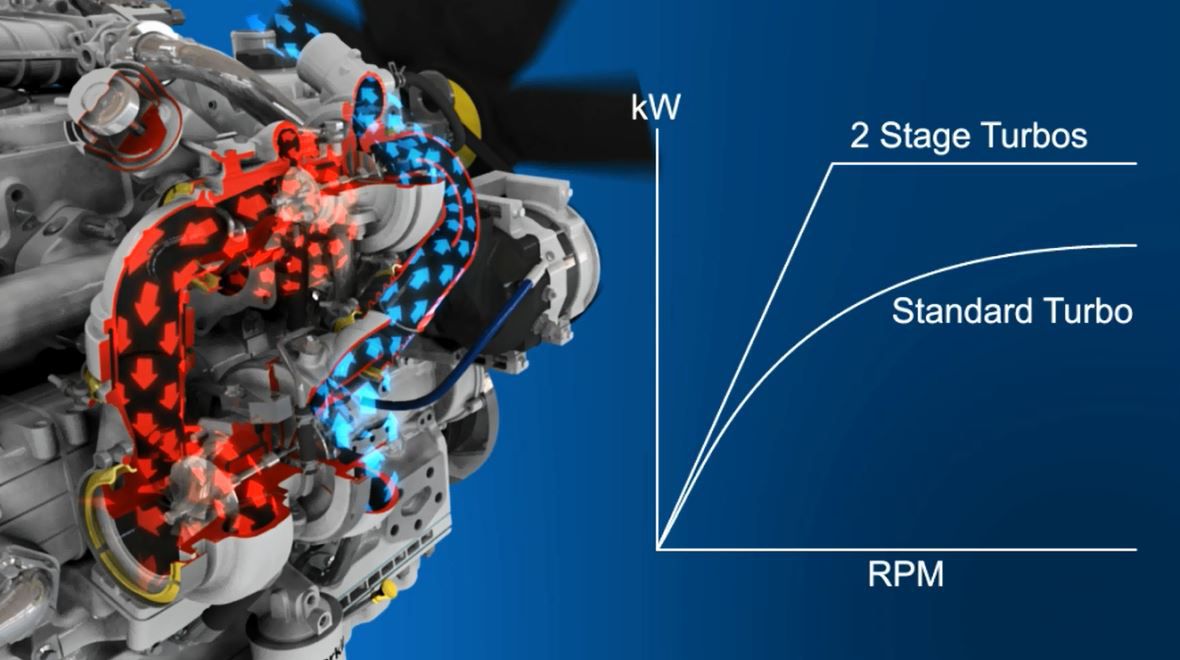
A series turbo set-up involves two turbochargers installed to operate in sequence.
Learn More -
Passive regeneration in a DPF
Passive regeneration is an approach used to oxidise particulate matter (PM) in the diesel particulate filter (DPF).
Learn More -
SCR and what it does for you
One of the options available for reducing NOx emissions is selective catalytic reduction (SCR), used on a number of our engines.
Learn More -
The benefits of exhaust gas recirculation (EGR)
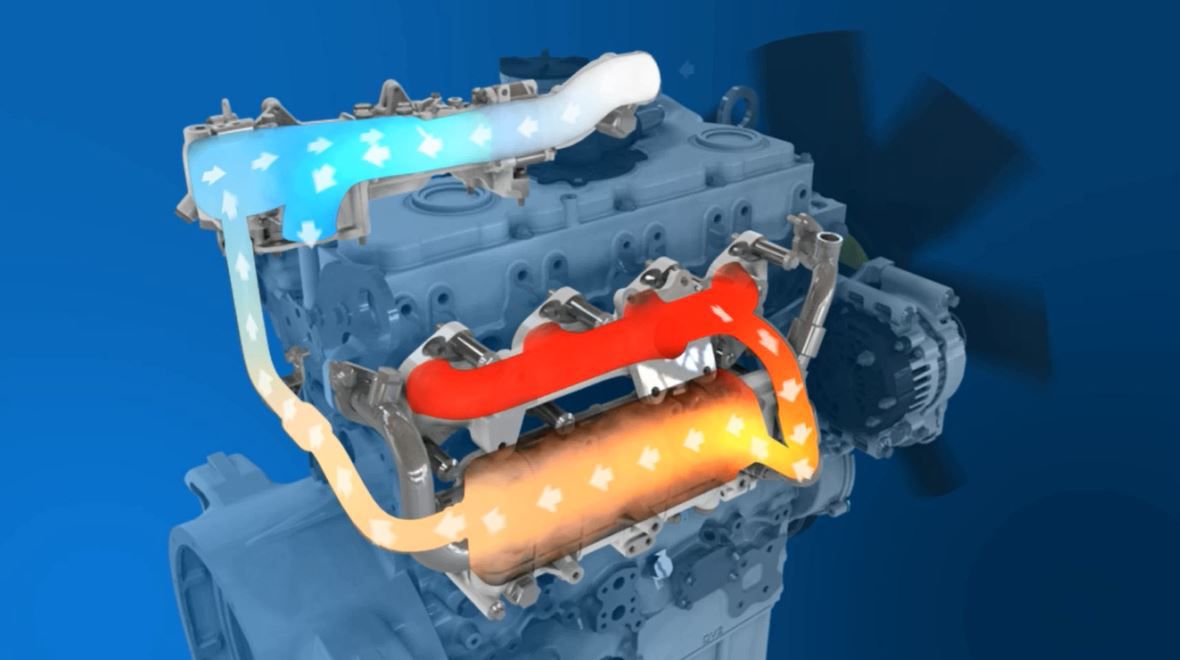
One of the technologies available for the reduction of oxides of nitrogen (NOx) is exhaust gas recirculation (EGR).
Learn More -
Understanding common rail fuel systems
Reducing particulates and optimising fuel consumption are primary reasons for adding high pressure common rail to our engines.
Learn More
-
Request Consultation
If you're ready to receive trusted advice from a Perkins expert, speak to our team today.
Connect with us -
Powernews Q2 2026
Our digital magazine with the latest news, interviews and analysis.
Read more -
Distributor locator
Your regional Perkins Distributor can provide local, on-the-ground engine support.
Learn More