The challenges of dealing with ‘Scope 3’ emissions reporting and reduction were outlined in a recent article in International Rental News.
Rental companies are in a unique position when it comes to reporting the emissions they are responsible for because the vast majority of those emissions are generated by customers using their equipment. Nevertheless, the industry is under increasing pressure to not only report these ‘Scope 3’ emissions but also to reduce them.
It’s not an insignificant issue since these emissions can be orders of magnitude greater than those a rental company produces directly. Although methods have been developed to estimate the volume of ‘Scope 3’ emissions based on average daily usage hours for various types of equipment in a fleet, the resulting numbers are only estimates. The growth of telematics is expected to improve the data, but that will be a gradual process. So will replacing current fleets with emission-free equipment.
In the meantime, the industry will continue to do its best with the available tools to both make reporting more accurate and move toward a reduced carbon future.
-
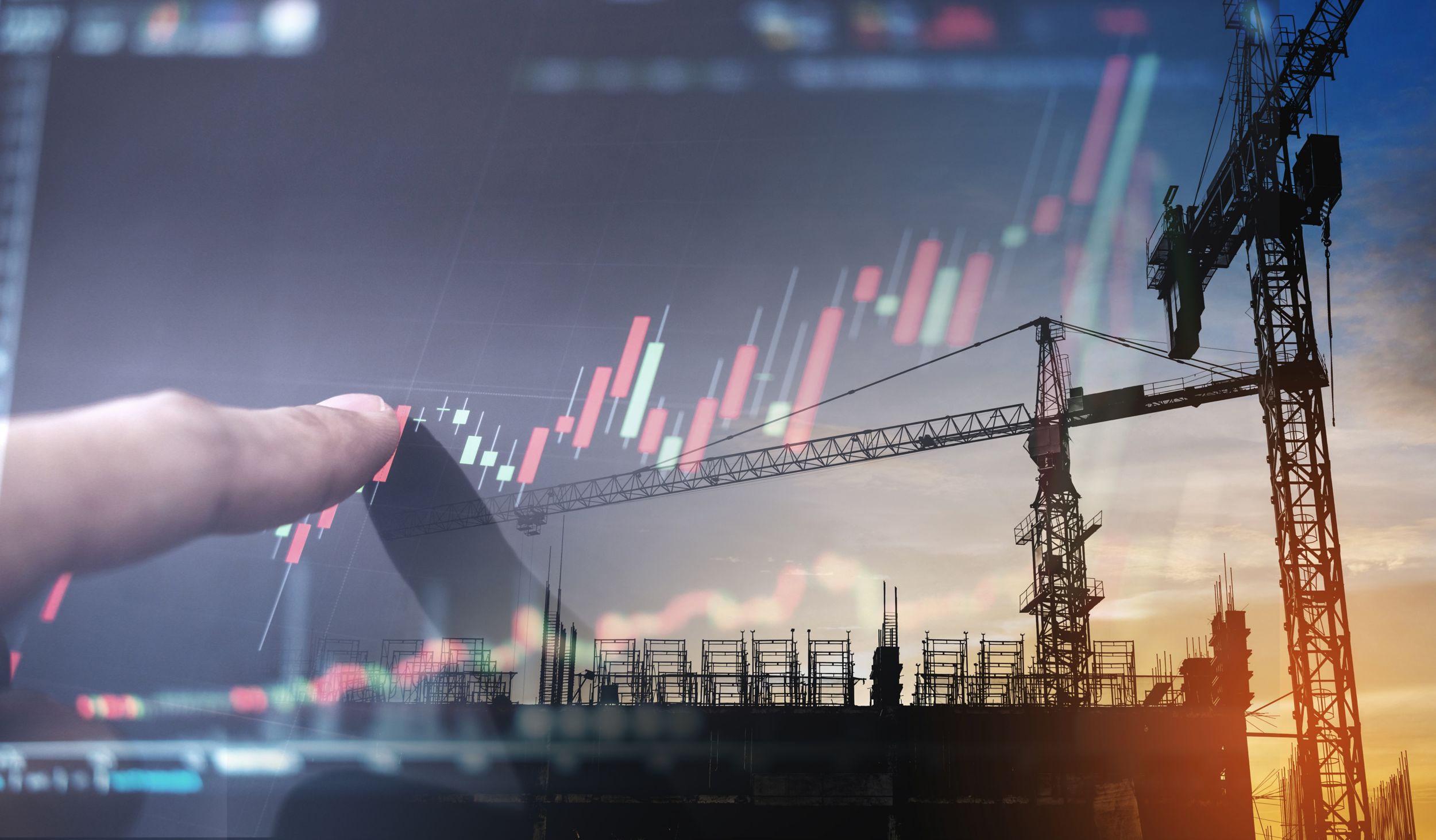
UK AI data centre
The project could provide 2,600 - 3,600 full-time equivalent construction jobs yearly over the 10 year programme.
Read more -
US rental growth
American Rental Association (ARA) has upgraded its forecast of 2026 industry growth from 02.3 percent to 2.8 percent.
Read more -
ConExpo records 140k visitors
More than 140,000 construction industry professionals from 128 countries visited in March.
Read more -
AI Equipment Agent
United Rentals has introduced what is believed to be the rental industry’s first Artificial Intelligence (AI) Assistant.
Read more -
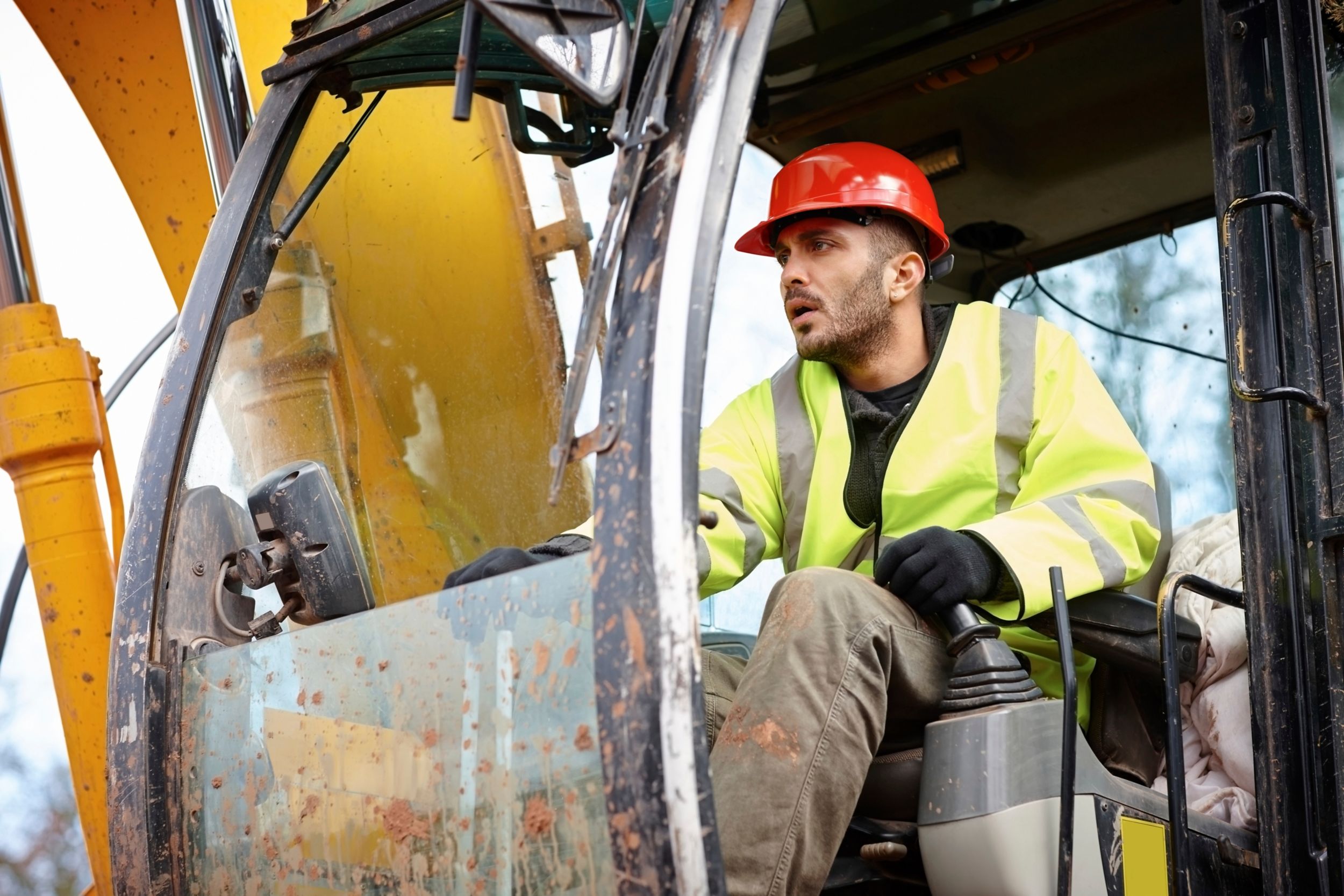
Operator comfort and technology meet in the cab
Operator comfort and safety have emerged as major selling points for earthmoving equipment.
Read more -
Annual access confidence survey sees challenges and opportunities
Tariffs and increased competition in maturing markets are a challenge.
Read more -
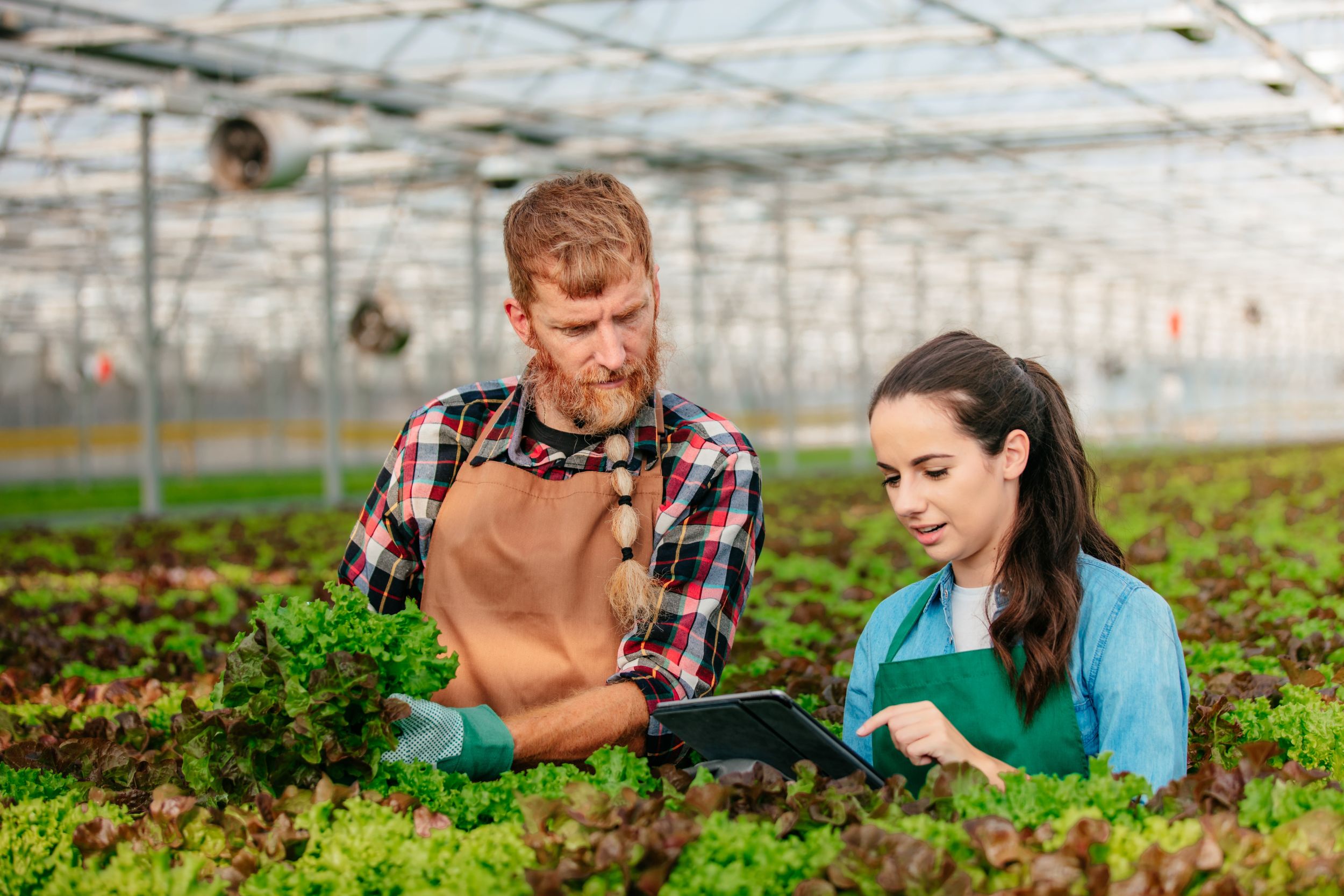
Data-driven management for more profitable farming
Technologies and devices used in modern farming can generate vast amounts of data.
Read more -
Trust, not technology, will be the key to future success
Customers remain sceptical of the real world value technology can deliver.
Read more