Rewriting the rules of power: The electric unit driving the next wave of innovation
First shown at Bauma 2025, the Perkins battery-electric power unit continues to attract interest among original equipment manufacturers (OEMs) as they explore how they can electrify their machinery quickly and cost-effectively, without sacrificing performance.
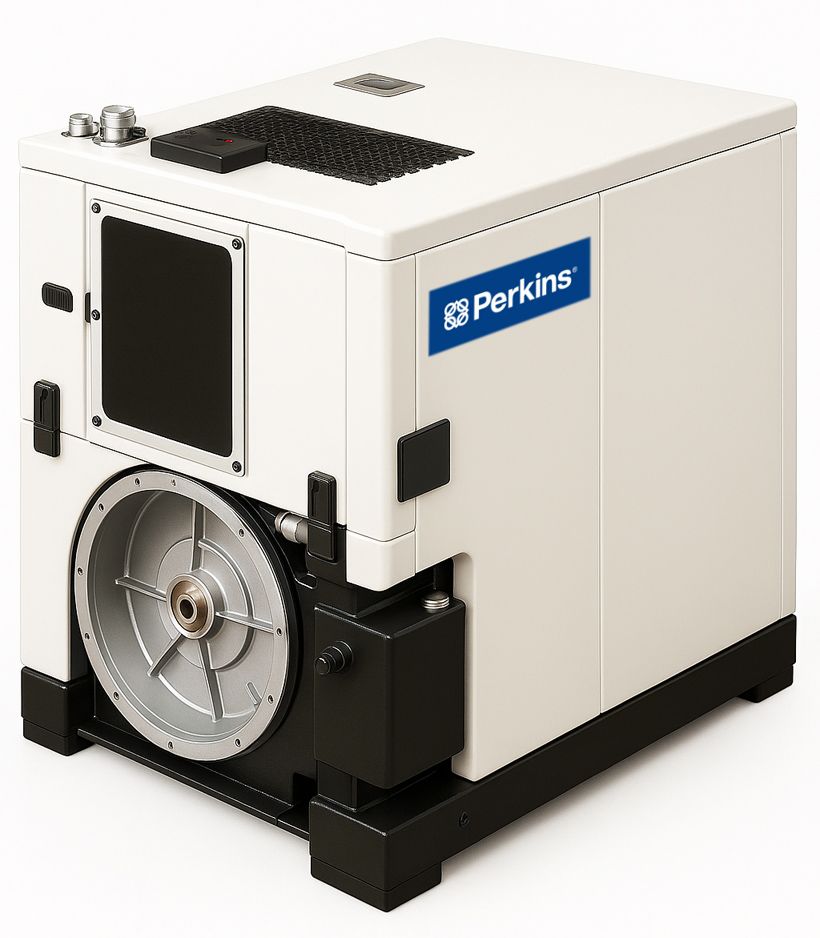
A real-world solution designed to make electrification simpler, faster and more practical for OEMs, the battery-electric power unit (BEPU) consists of a Perkins battery along with inverters, motors, on-board chargers and other supporting components – all packaged up into a compact drop-in system to support seamless transition from diesel to battery electric for customers looking to make that move.
The fully integrated battery powered drop-in solution reduces the need for OEMs to invest in costly engineering and design projects and allows them to electrify their machinery quickly, safely and cost-effectively, without sacrificing performance.
Supporting a seamless transition from diesel to electric
“We have helped and will continue to help industries navigate every major shift in power solutions, from fuel efficiency improvements to alternative fuels and electrification,” says Paul Muller, technical sales manager. “Electrification is changing expectations for off-highway equipment, with end users asking for diesel where it still makes sense, and electric where performance, emissions, noise or indoor operation matter most.
“For OEMs, this shift creates opportunities, but it also adds complexity. Batteries, motors, inverters, onboard chargers and cooling systems all must work together seamlessly — and the pace of change in these technologies is fast.
“Up to recently, addressing these customer needs would require offering multiple machines, with a platform designed specifically for diesel, another for alternative fuels and another for electric power. All of which increases development time, costs, inventory, service and support.”
Technical demonstrator and field testing
The battery-electric power unit simplifies an OEM’s transition from diesel to electric, as this compact, plug-and-play solution can replace a diesel engine in the same space, with the same mounting locations and relative position in the machine.
It brings the battery, motor, inverter, onboard charging, cooling and controls together, so a battery-electric power unit can fit where an engine used to sit — and OEMs can use existing chassis platforms as they transition from diesel to electric.
The simplicity of this solution will be on show at CONEXPO-CON/AGG on the Perkins booth, S-80229. On the stand the Perkins battery-electric power unit is being exhibited fitted into a McElroy TracStar® 900i pipe fusion machine as a commercial demonstrator. The battery-electric power unit has replaced a 3.6 litre 904 Series diesel engine.
Just a walk away on the McElroy stand, P7159, visitors will be able to see the diesel-powered McElroy TracStar® 900i pipe fusion machine – clearly showing how the transition has been achieved without a full redesign.
The power unit’s compact design enabled the seamless transition from diesel engine to electric, with the power unit fitting within the same chassis space and having the same mechanical connection and electrical interface points as the 3.6 litre diesel engine it replaced. It outputs 95.5 kW (130 hp) and 750 Nm @1200 rpm with a rated speed range of 2000-2200 rpm.
The machine has already completed development testing in the UK and U.S, and after CONEXPO-CON/AGG, it will begin field trials with McElroy Manufacturing Inc. This real-world experience will help us understand how this solution performs in day-to-day use and will help shape where it could go next.
Further battery-electric power units have been built and will soon be heading out to OEMs to gain more real-world experience in other industry segments.
The benefits of selecting a battery-electric power unit
By solving the integration challenge at the power-unit level, the battery-electric power unit helps remove unnecessary complexity and gives OEMs a clearer, quicker path forward as power solutions expand. It offers:
A true drop-in solution: Instead of maintaining separate designs for diesel and electric models, OEMs can focus on one core machine architecture and offer customers choices based on application needs, helping to simplify engineering, parts procurement, service and support.
Speed and simplicity: Electrification introduces new technologies and components that continue to evolve rapidly. Bringing these elements together into a single, packaged solution reduces the need for OEMs to invest in costly, time-intensive engineering projects. That can shorten development cycles and improve return on investment.
A quicker route to market: With less redesign and fewer engineering and sourcing hurdles, OEMs can offer electric options sooner, staying responsive as customer expectations, applications and regulations change.
More flexibility to meet customer needs: Removing design and development barriers makes it easier for OEMs to deliver the electrification solutions their customers require. That could be zero tailpipe emissions, less noise, expanded application opportunities — even the potential to lower total cost of ownership by eliminating fuel use and reducing routine maintenance.
Embarking on a new era of power
“The battery-electric power unit is a fully integrated battery drop-in solution, reducing the need for OEMs to invest in costly engineering and design projects and allowing them to electrify their machinery quickly and cost-effectively, without sacrificing performance,” explains Paul. I’d encourage anyone considering the move towards electrification to talk to us about this drop-in solution which can deliver a faster return on investment, while providing the owner / operator with a low maintenance, cost-effective power solution.”
-
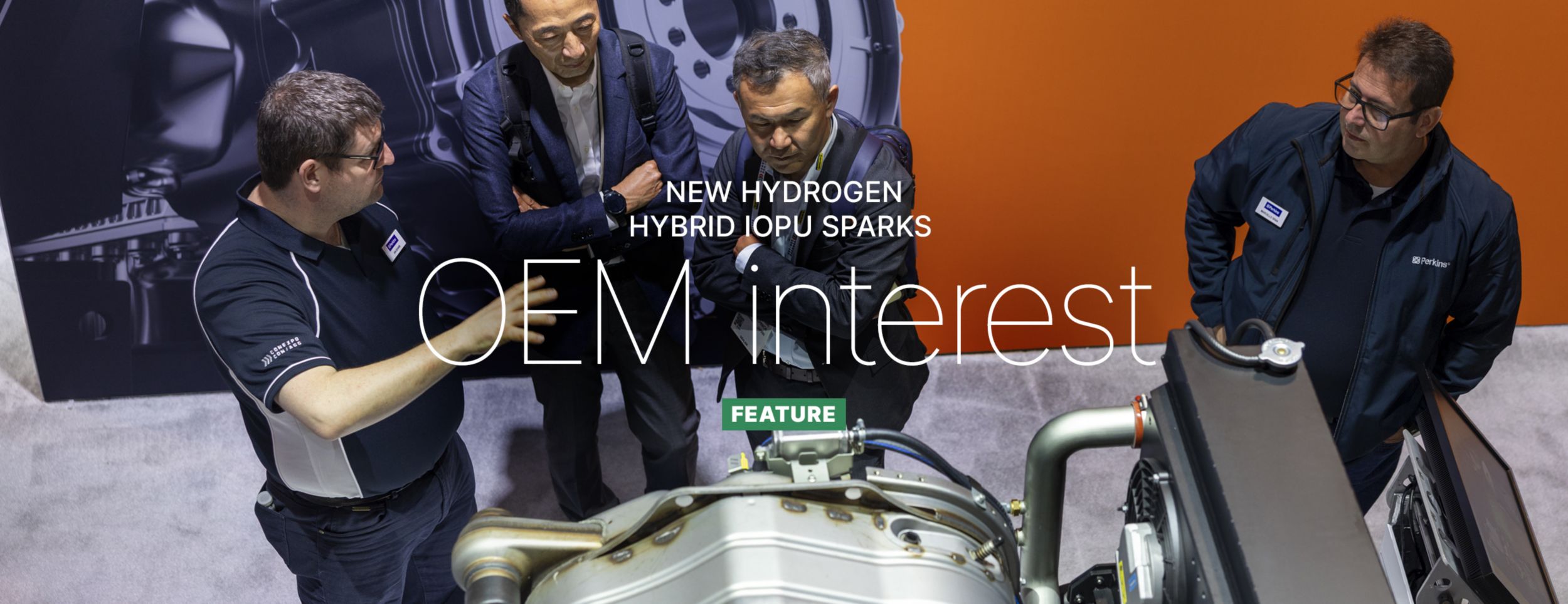
New hydrogen hybrid IOPU sparks OEM interest
CONEXPO-CON/AGG in March 2026 was the first showing of Perkins’ advanced fuel-configurable hybridised industrial open power unit (IOPU).
Read more -
The power of light towers
Behind the scenes at many global data centre development sites, stand a fleet of humble light towers, making 24/7 progress possible.
Read more -
Solving agricultural power needs
Facing an evolving energy landscape, Perkins is again applying its innovation to provide fresh power concepts.
Read more -
The future of off-highway power is about integration
We talk to Perkins vice president Richard Hemmings about our customer first approach.
Read more -
Raw agricultural power in Brazil
Powernews ag correspondent Adrian Bell gives us a snapshot of the impressive agricultural industry he observed – and its back story.
Read more -
Powering ahead in marine
We investigate why customers return to Perkins time and again.
Read more -
Perkins® 904 Series: pushing the boundaries
The new model will deliver up to 129 kW (173 hp) and 740 Nm (546 lb ft) at 1500 rpm, from a compact 3.6 litre engine.
Read more -
High‑reliability power systems: The silent guardians ensuring data centre uptime
Ensuring uninterrupted performance is non-negotiable, at the heart of that reliability sits the diesel-powered generator.
Read more -
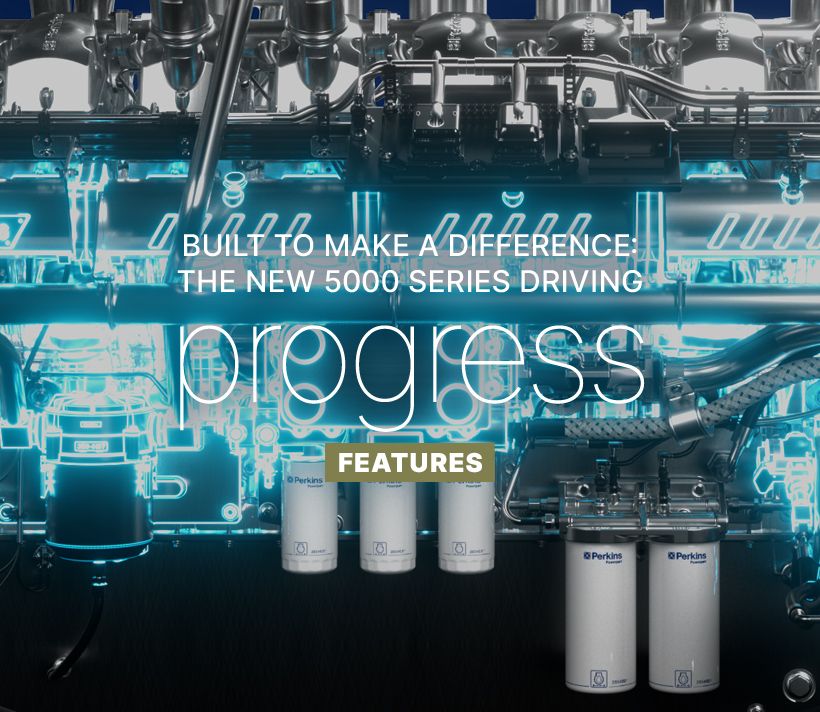
Built to make a difference: The new 5000 Series is driving progress around the world
Providing dependable power output up to 2500 kVA for standby and 2250 kVA for prime applications.
Read more -
Powering forward: Richard Hemmings on innovation, reliability and what comes next
Powernews caught up with new VP Richard Hemmings to learn more about his new role.
Read more








Also in this issue
-
Built to make a difference: The new 5000 Series is driving progress around the world
Providing dependable power output up to 2500 kVA for standby and 2250 kVA for prime applications.
Read more -
Perkins® 904 Series: pushing the boundaries
The new model will deliver up to 129 kW (173 hp) and 740 Nm (546 lb ft) at 1500 rpm, from a compact 3.6 litre engine.
Read more -
A future full of momentum for Golden Arrow Marine
Building on a legacy of over 1000 Perkins engines supplied and 62 years of hands-on experience.
Read more -
High‑reliability power systems: The silent guardians ensuring data centre uptime
Ensuring uninterrupted performance is non-negotiable, at the heart of that reliability sits the diesel-powered generator.
Read more -
Powering forward: Richard Hemmings on innovation, reliability and what comes next
Powernews caught up with new VP Richard Hemmings to learn more about his new role.
Read more