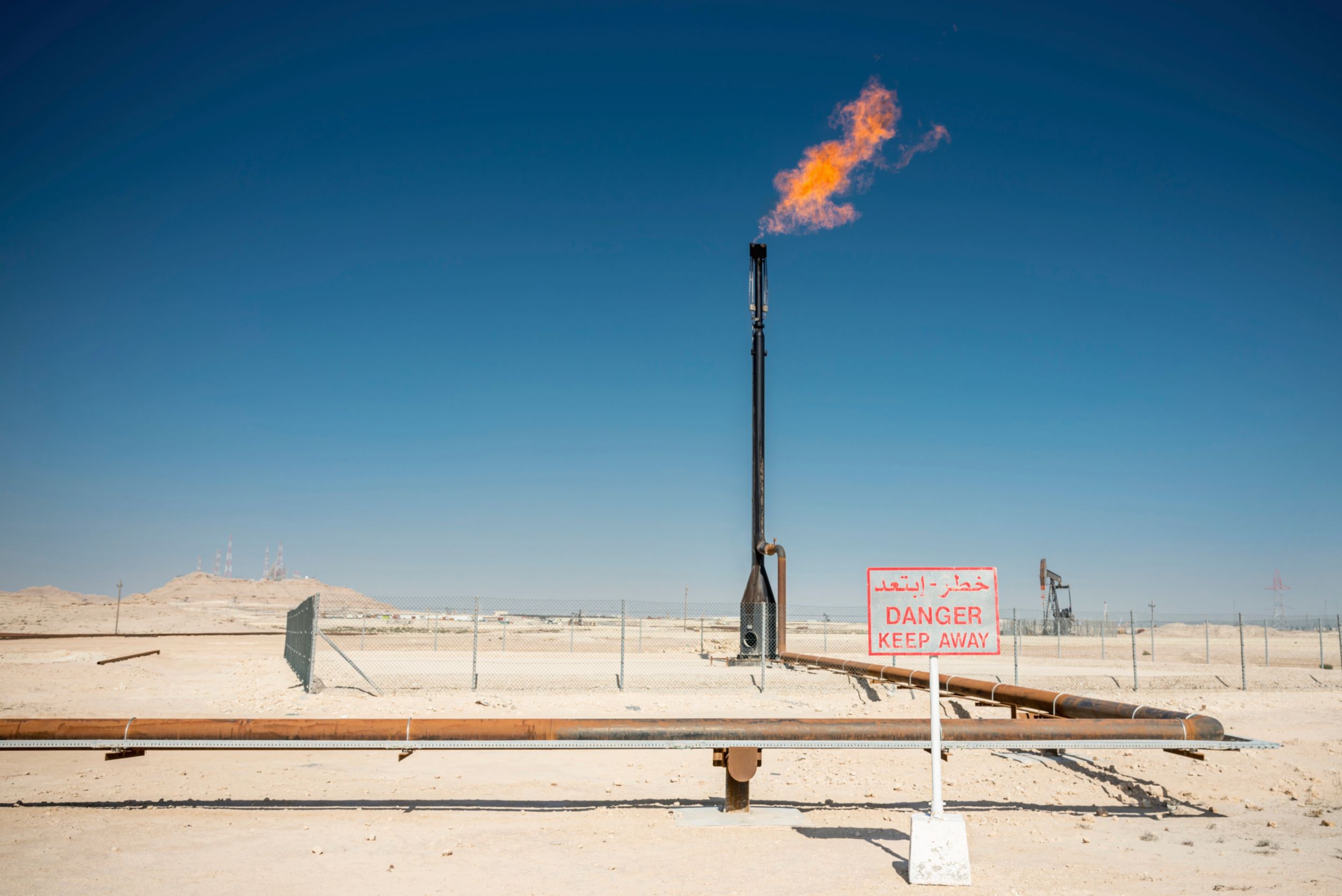
Newton’s third law, “every action produces an equal and opposite reaction”, is at work in the Middle East and the results are driving a healthy equipment rental market. While high oil prices are a negative for energy consumers, they’re a strong positive for energy producers. That, coupled with availability, lead time and supply chain issues for purchased equipment make the rental option even more attractive for Middle Eastern customers.
International Rental News reports that both energy development projects and ambitious civil construction projects are projected to drive rental market growth in the Gulf Cooperation Council (GCC) countries of Saudi Arabia, the United Arab Emirates, Kuwait, Bahrain, Qatar, and Oman from today’s USD 4.7 billion to 5.81 billion by 2027. Demand for everything from specialised construction equipment to portable housing, power generation and waste management systems to house workers is strong and projected to continue growing over the next several years.
-
UK AI data centre
The project could provide 2,600 - 3,600 full-time equivalent construction jobs yearly over the 10 year programme.
Read more -
US rental growth
American Rental Association (ARA) has upgraded its forecast of 2026 industry growth from 02.3 percent to 2.8 percent.
Read more -
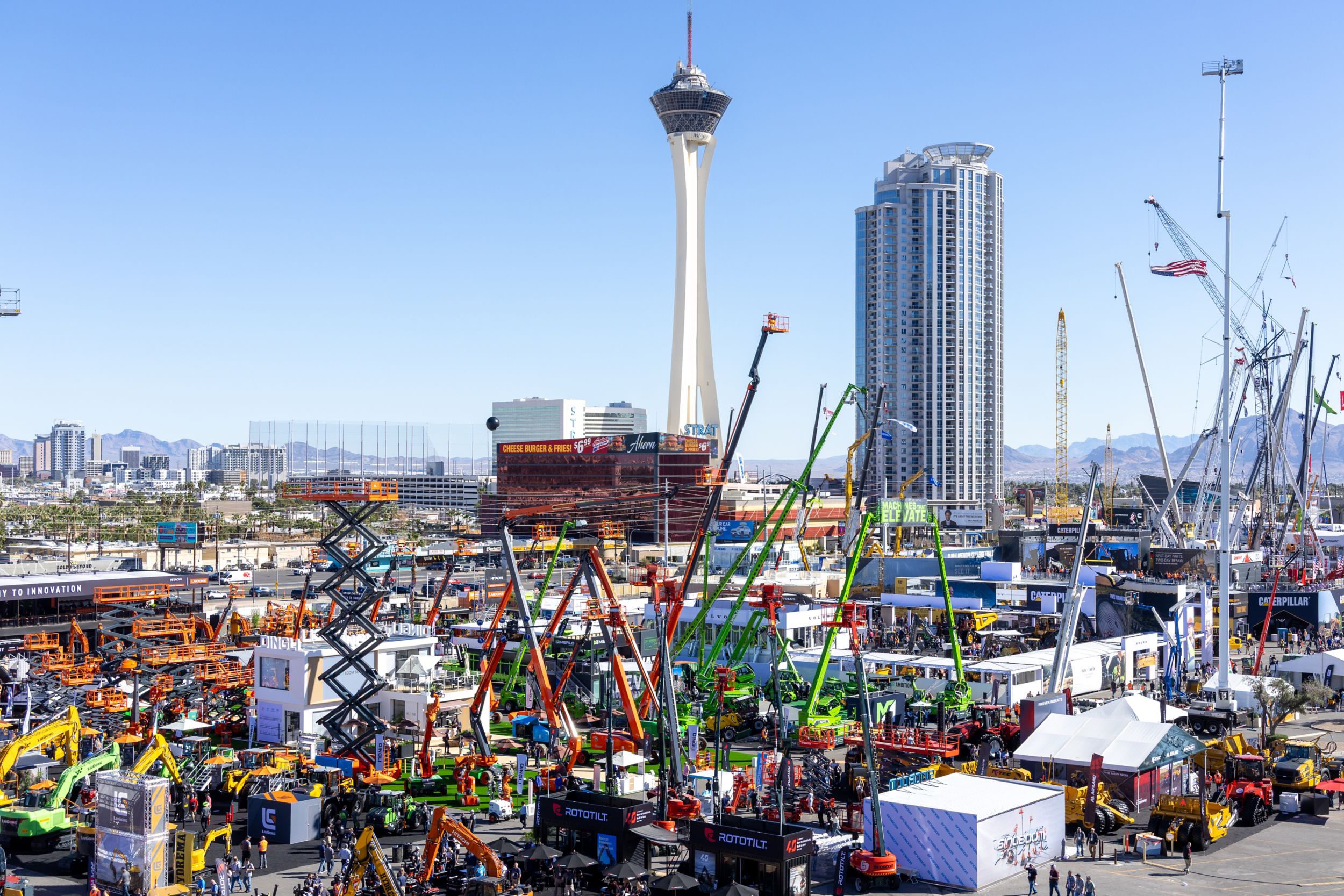
ConExpo records 140k visitors
More than 140,000 construction industry professionals from 128 countries visited in March.
Read more -
AI Equipment Agent
United Rentals has introduced what is believed to be the rental industry’s first Artificial Intelligence (AI) Assistant.
Read more -
Operator comfort and technology meet in the cab
Operator comfort and safety have emerged as major selling points for earthmoving equipment.
Read more -
Annual access confidence survey sees challenges and opportunities
Tariffs and increased competition in maturing markets are a challenge.
Read more -
Data-driven management for more profitable farming
Technologies and devices used in modern farming can generate vast amounts of data.
Read more -
Trust, not technology, will be the key to future success
Customers remain sceptical of the real world value technology can deliver.
Read more