What do farmers really care about?
Looking beyond the engine badge
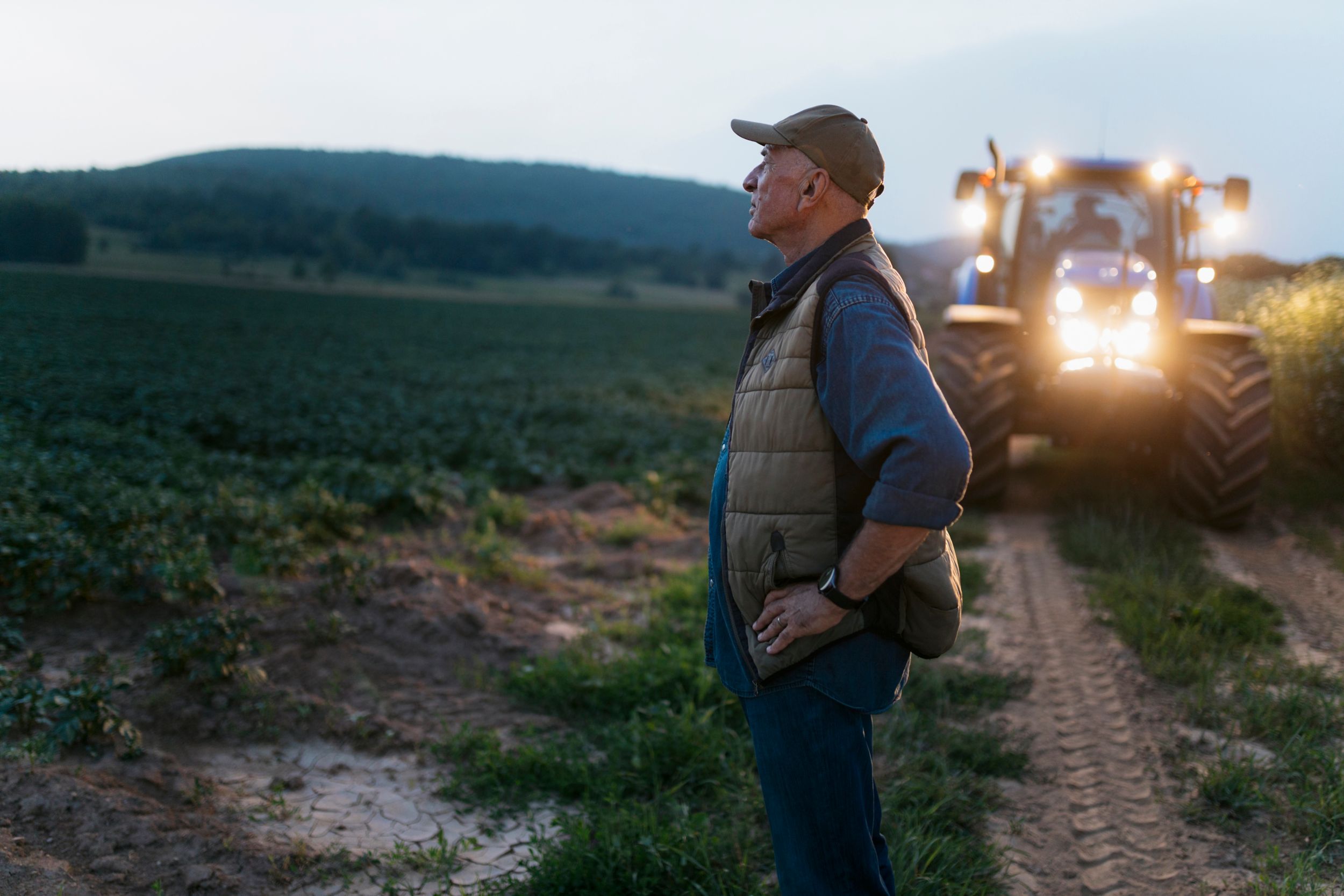
Walk around any agricultural machinery show and you'll hear plenty of discussion about machine specifications, engine power and the latest technology features. Yet when the order is finally placed, the factors influencing the decision are often very different from those being discussed on the stand.
The reality is that many farmers and contractors are not simply buying a machine, and they are certainly not buying an engine! They are buying into a brand and everything that’s associated with that.
Customers value confidence in parts availability when needed, that a trained technician can be on-site quickly when a problem occurs, and that support is only a phone call away during the busiest week of the year. They are buying the reputation and strength of the dealer network, the responsiveness of service teams and, perhaps most importantly, the trust that has been built over years of working together.
Agriculture is different from many industries in that respect. Machines are often relied upon during a handful of critical weeks where downtime can have immediate consequences for productivity and profitability. As a result, relationships, trust and a proven support capability can carry just as much weight in the buying decision as the machine itself.
While manufacturers and suppliers can sometimes become fixated on engine brands and the finite details, most end users view the machine as a complete package. The name on the rocker cover is only one of the factors that may influence the purchase of the machine. Instead, operators judge a machine by what they experience from the seat.
Does it respond how they want it to? Does it maintain performance under load? Is power delivered smoothly and predictably? Are the noise and vibration levels acceptable for a long working day?
These are the characteristics that shape operator opinion, and operator opinion really matters!
In many farming and contracting operations, operators spend hundreds or even thousands of hours each year behind the wheel. Their feedback has a significant influence on purchasing decisions. We've all seen examples where a machine looked perfect on paper but failed to gain acceptance from the people using it every day. Equally, a machine that delivers strong performance, smooth drivability and a comfortable operating experience can quickly become the preferred choice in a machinery fleet.
In many cases, the operator can make or break a machine's reputation.
This is where I bring the conversation back to the engine. Agricultural applications are incredibly diverse, and most machine manufacturers understand that engine integration can be as important as engine performance.
The packaging requirements of a narrow-waisted tractor, where visibility and manoeuvrability are critical, are very different from those of a root crop harvester for example, where crop flow, cooling performance and service access may take priority. In my experience, the most successful machines are often those where the engine, machine and application have been developed as a complete system rather than as a collection of individual components.
Also, durability remains a very important purchasing consideration. Agricultural equipment is expensive and operates in harsh environments with dust, vibration, temperature extremes and intense seasonal workloads. Farmers need confidence that their investment will perform year after year when the pressure is on. Service intervals also play an important role; and the best maintenance schedule is one that aligns with how the machine is used and avoids disruption during peak periods.
As machinery becomes increasingly connected, data and telematics are creating new opportunities for farmers and contractors. However, technology for technology's sake will never be enough. End users are asking the question: "So what?"
Data can be particularly valuable when it drives a measurable outcome. Whether the chosen metric is profit per hectare, cost per tonne, fuel consumption or machine utilisation, the technology should deliver a clear and tangible benefit. Farmers don’t need more dashboards! They need actionable insights that help them make better decisions, reduce their downtime and improve profitability.
Maybe it’s controversial, but I believe the fundamentals are unlikely to change.
Farmers and contractors will continue to value reliable machines, responsive performance, trusted dealer support and a clear return on investment. Engine technology, machine connectivity and automation will all play an important role, but only when they contribute to those wider outcomes.
At the end of the day, customers are not buying an engine badge. They are buying confidence. Confidence that the machine will perform, confidence they are well supported and confidence that the people standing behind the brand will help keep them productive when the pressure is on.
The engine does play a critical role in delivering that outcome; however the customer judges the entire ownership experience and not a single element. Brands that succeed are those that combine strong machine performance with trusted dealer support, develop lasting relationships and a genuine contribution to farm profitability.

Ed Hodson is a sales manager at Perkins, working to drive new business development and leading initiatives focused on advanced power technologies, including electrification and alternative fuels. With a lifelong passion for agriculture, Ed has worked in the farming industry and has a degree in Agricultural Engineering. He has built extensive experience within the agricultural machinery sector, working as both a service engineer and sales manager.
Combining deep technical knowledge with commercial expertise, Ed has developed a strong understanding of customer requirements, machinery applications, and emerging powertrain technologies. He is particularly passionate about helping OEMs navigate the transition towards more sustainable and integrated power solutions.
Explore more blogs
-
2026-10-30 What procurement can learn from the end customer
October 30, 2026
Procurement can learn a lot from the end customer and should also look more at integrated systems and solutions which can offer end users greater value than could ever be demonstrated on a spreadsheet
Learn More -
2026-10-29 Customers don't buy specifications. They buy confidence
October 29, 2026
End customers are rarely buying a specification. They are buying confidence. Confidence that the technology has been validated. Confidence that it will deliver reliable performance year after year. Confidence that support is available when needed and confidence that the people standing behind the product will help to keep them productive when the pressure is on
Learn More -
2025-10-31 Winter Diesel Engine Survival Guide: Do’s, Don'ts & Pro Tips
October 31, 2025
Cold weather can be brutal on diesel engines, but with a few smart habits, you can keep your Perkins-powered equipment running strong all season long.
Read more -
2025-10-29 Troubleshooting Engine Problems & Preventative Maintenance Tips
October 29, 2025
Your Perkins engine is built to deliver reliable performance, but like any hardworking asset, it thrives with regular care. Preventative maintenance not only extends engine life - it also helps you avoid costly downtime and repairs.
Read more